
The Complete Guide to Subfloor Problems in Texas Homes
When floors squeak, feel soft, or start to crack, most homeowners focus on the surface material. But in many North Texas homes, the real problem is hidden underneath—in the subfloor.
The subfloor is the structural layer that supports your flooring. If it’s damaged, uneven, or moving, no amount of new flooring will perform the way it should. This guide explains the most common subfloor problems in Texas homes, how to spot them, and what it takes to fix them.
What Is a Subfloor and Why Does It Matter?
The subfloor is the layer between your floor covering (like LVP, hardwood, laminate, tile, or carpet) and the joists or slab below. It provides a flat, stable surface for the finished floor and helps distribute weight evenly.
Common subfloor materials include:
- Plywood or OSB (oriented strand board)
- Concrete slab
- Cement board underlayment (for tile)
When the subfloor fails, you may notice squeaks, dips, cracks, or movement in your floors.
Common Signs of Subfloor Problems
Subfloor issues aren’t always visible, but they usually show up in how the floor feels and sounds.
1. Squeaky Floors
Squeaks often occur when the subfloor is loose against the joists or when fasteners are moving. Temperature and humidity changes can make this worse.
2. Soft or Spongy Spots
Areas that feel soft or “bouncy” underfoot can indicate weakened subflooring, water damage, or damage around plumbing penetrations.
3. Uneven or Sloping Floors
Dips, humps, and noticeable slopes may signal settling, poor initial installation, or damaged subfloor panels.
4. Cracked Tile or Grout
When tile starts cracking in multiple locations, especially away from edges, it can be a sign that the subfloor or slab is moving underneath.
5. Gaps and Movement in Plank Flooring
LVP, laminate, and hardwood planks that separate or move underfoot may be installed over an uneven or unstable subfloor.
What Causes Subfloor Problems in Texas Homes?
Moisture and Humidity
North Texas humidity and occasional leaks can cause wood-based subfloor materials to swell, warp, or rot over time. Even concrete slabs can pass moisture upward if not properly sealed or tested before installation.
Foundation Movement
Texas clay soil expands and contracts with moisture changes, leading to slab or foundation movement. This movement can telegraph into the subfloor and finished flooring.
Poor Installation or Inadequate Fastening
If the subfloor wasn’t properly fastened, glued, or supported during construction, it may loosen and start squeaking or flexing under load.
Long-Term Wear and Age
Over time, fasteners can work loose, wood can dry out or compress, and structural elements can settle, all contributing to subfloor issues.
How Subfloor Problems Are Diagnosed
A thorough inspection may include:
- Walking the floor to identify soft or high/low spots
- Listening for squeaks and pinpointing their location
- Removing a small section of flooring to view the subfloor
- Checking for signs of moisture, rot, or mold
- Using straightedges or levels to check for unevenness
In some cases, addressing subfloor problems is the first step before any new flooring installation.
Common Subfloor Repair Solutions
Re-Securing Loose Subfloor Panels
When squeaks are caused by movement between the subfloor and joists, the fix may involve adding screws or specialized fasteners to pull the layers tight and stop the movement.
Replacing Damaged or Rotten Sections
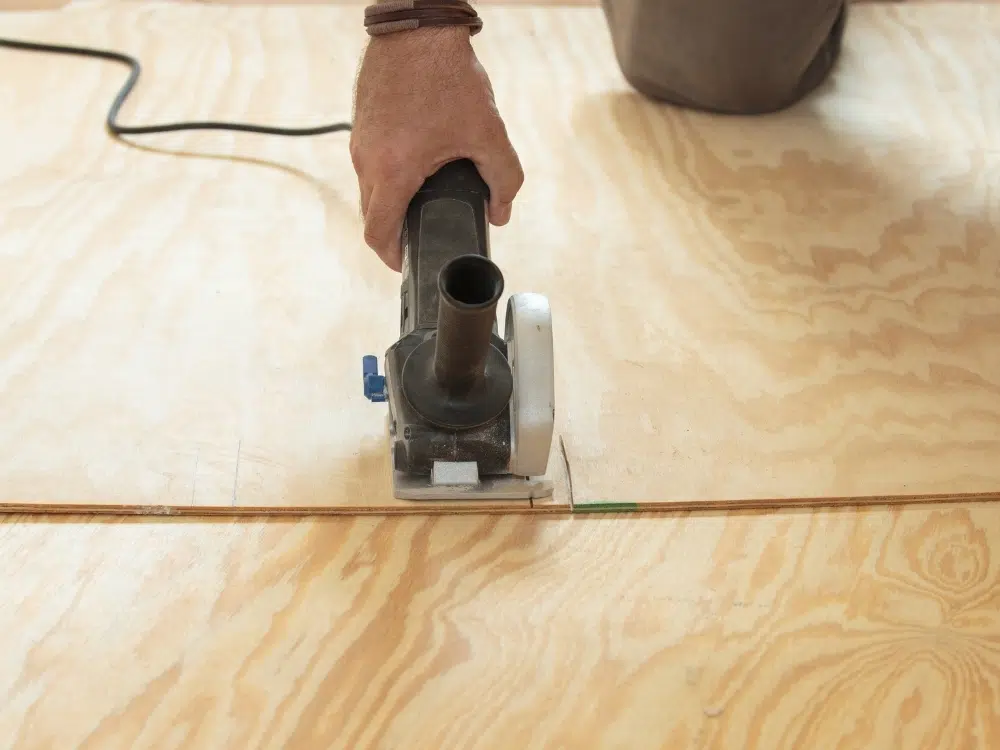
Water-damaged or structurally compromised areas of the subfloor must be cut out and replaced. This is especially important before installing new hardwood, laminate, or tile.
Leveling and Flattening the Subfloor
For plank flooring and tile, a flat subfloor is essential. Leveling compounds, grinding, or additional underlayment may be used to correct high or low areas.
Moisture Mitigation
In slab homes, moisture tests may be performed. Depending on the results, moisture barriers, sealers, or specific underlayments may be required to protect the new flooring.
Why Subfloor Repair Matters Before New Flooring
Installing new LVP, laminate, hardwood, or tile over a failing subfloor is one of the most expensive mistakes homeowners can make. The new floor will almost always reflect the problems below.
By addressing subfloor issues first, you:
- Extend the life of your new flooring
- Reduce the risk of squeaks and soft spots
- Improve comfort and stability underfoot
- Protect your investment in higher-end materials
Our team routinely inspects and repairs subfloors as part of larger flooring repair and replacement projects.
Can Subfloor Problems Be Fixed Without Replacing All the Flooring?
In some cases, localized repairs are possible. If the issue is isolated to a small area, a section of flooring can be removed to access the subfloor, perform repairs, and then reinstall or replace that portion of the floor.
For widespread issues, it may be more cost-effective to coordinate subfloor repair with a full flooring replacement.
When to Call a Professional
While minor squeaks or small dips might seem like a nuisance, persistent or worsening subfloor problems can affect the safety and value of your home. It’s especially important to get a professional opinion if you notice:
- Soft spots that keep getting worse
- Multiple cracked tiles across a room
- Noticeable sloping or uneven areas
- Musty smells or signs of moisture damage
A professional flooring and subfloor evaluation provides clarity and a plan of action.
Need Subfloor Help in North Richland Hills or Nearby?
If your floors squeak, feel uneven, or show damage you can’t explain, the subfloor may be the reason. We help homeowners across North Richland Hills, Keller, Hurst, Bedford, Watauga, and nearby areas identify and fix subfloor problems before new flooring goes in.
Whether you’re planning a repair, a refinishing project, or a full flooring upgrade, we can help you decide the right next step for your home.
Contact us today to schedule a flooring and subfloor evaluation, or learn more about our complete flooring installation services.