
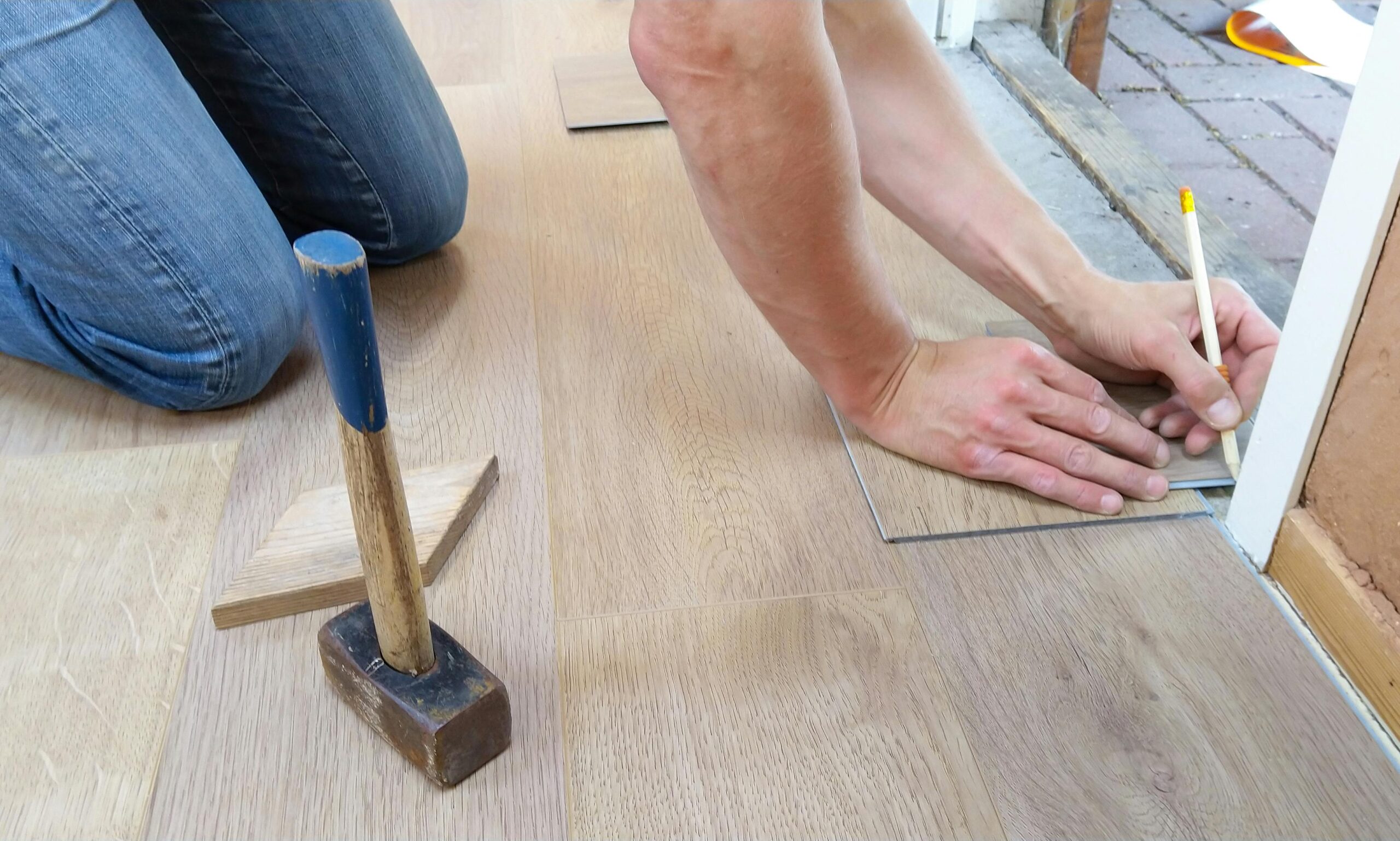
Common Flooring Problems in North Texas (And How to Fix Them)
North Texas homes take a beating. Between humidity shifts, slab foundations, active families, and pets, it’s no surprise that flooring issues are one of the most common complaints from homeowners in North Richland Hills and the surrounding areas.
The good news: most flooring problems can be repaired or corrected without replacing the entire floor. In this guide, we’ll walk through the most common flooring issues we see in North Texas homes, what causes them, and the best way to fix each one.
1. Buckling, Cupping, and Warping Floors
When boards curl up at the edges, dip in the middle, or lift away from the subfloor, you’re usually dealing with moisture-related damage. This is especially common with hardwood, laminate, and even some vinyl floors in humid Texas conditions.
What Causes Buckling and Cupping?
- Moisture vapor from the slab
- Plumbing leaks or past water damage
- Improper acclimation of flooring before installation
- Lack of proper moisture barrier under the floor
How to Fix It
The first step is to find and resolve the moisture source. After that, the repair may involve:
- Replacing damaged planks
- Re-installing sections with proper underlayment
- In serious cases, removing and reinstalling the floor
If the damage is limited and caught early, spot repairs may be enough. For advanced issues, a full evaluation by a flooring professional is the safest route.
Need help with warped or cupping floors? Learn more about our repair services on our
flooring repair page.
2. Cracked or Loose Tile
Tile is popular in kitchens, bathrooms, and entryways across North Texas, but slab movement and subfloor issues can cause tile to crack or come loose over time.
Common Tile Problems
- Cracked tiles in the middle of the room
- Grout lines splitting or crumbling
- Tiles that sound hollow when tapped
- Tiles lifting or shifting over time
What’s Really Going On?
Many tile problems are caused by:
- Movement in the slab or subfloor
- Improper thinset coverage during installation
- No expansion joints around walls or thresholds
- Hidden moisture or foundation movement
How to Fix Tile Problems
Repairs can include:
- Removing and replacing cracked tiles
- Regrouting or re-caulking problem areas
- Correcting subfloor or underlayment issues before reinstalling tile
For persistent cracking, it may make sense to explore a more flexible option like luxury vinyl plank (LVP) or a full tile replacement with proper prep.
3. Squeaky, Spongy, or Uneven Floors
Squeaks, soft spots, or uneven areas are usually a sign that the issue is below the surface. This is where subfloor repair becomes critical.
Signs of Subfloor Problems
- Floors that squeak when you walk
- Areas that feel soft or “spongy” underfoot
- Noticeable dips or humps in the floor
- Doors that suddenly start sticking or dragging
How Subfloor Issues Are Fixed
Subfloor repairs may involve:
- Securing loose subfloor panels to joists
- Replacing damaged or rotted sections
- Leveling or grinding high spots
- Adding underlayment to correct unevenness
If you’re planning a new flooring installation, it’s smart to address subfloor problems first so your new floor lasts longer and feels solid.
4. Scratches, Dents, and Surface Wear
Everyday life in a North Texas home means pets, kids, furniture, and constant traffic. Over time, hardwood, laminate, and even some LVP floors can show surface wear.
Typical Surface Damage
- Fine scratches across walkways
- Deep gouges from furniture or dropped items
- Worn finish in high-traffic areas
- Faded or dull staining on hardwood
Repair Options
- Hardwood: Sanding and refinishing can restore the entire floor.
- LVP: Damaged planks can often be removed and replaced.
- Laminate: Spot repairs are limited; often the best fix is plank replacement or upgrading the room.
5. Gaps Between Planks
Seasonal changes in humidity can cause gaps between hardwood, laminate, or LVP planks. In North Texas, we see more movement when homes aren’t humidity-controlled.
When Gaps Are Normal vs. a Problem
Small seasonal gaps can be completely normal. Bigger gaps, or gaps that appear suddenly, may point to:
- Improper installation
- Lack of acclimation before install
- Significant moisture or temperature swings
In many cases, minor gaps can be monitored and left alone. If boards are separating or locking systems are failing, professional repair or partial replacement may be needed.
6. Stains, Odors, and Water Damage
Leaking appliances, pet accidents, or minor flooding can lead to stains and odors that don’t go away with normal cleaning.
What Can Be Saved?
- Hardwood: Often can be sanded and refinished if the damage hasn’t penetrated too deeply.
- LVP: Waterproof planks usually survive; subfloor may still need inspection.
- Laminate and Carpet: Frequently need replacement in water-damaged areas.
A professional inspection can determine whether you’re better off repairing, refinishing, or replacing affected areas.
When to Repair vs. Replace Your Flooring
Not every flooring problem requires a full replacement. In many North Richland Hills homes, strategic repairs and refinishing are enough to extend the life of the floor for years.
Replacement may be the better investment when:
- Subfloor damage is severe
- Floors have been refinished multiple times already
- Water or mold damage is extensive
- You want to upgrade to a more modern style or material
If your flooring has good structure but looks worn or dull, refinishing or repair can be a cost-effective way to restore it.
Need Help Fixing Flooring Problems in North Richland Hills?
If you’re dealing with squeaks, soft spots, cracked tile, warped planks, or visible wear, you don’t have to guess at the solution. Our team provides honest evaluations and clear repair options for homeowners across North Richland Hills, Keller, Hurst, Bedford, Watauga, and nearby areas.
Contact us today to schedule a flooring evaluation, or call to discuss your project. We’ll help you decide whether repair, refinishing, or replacement is the best move for your home.